
Zenphone
21/12/2012 21:43 par slaytane


21/12/2012 21:43 par slaytane
The ASUS PadFone and the Transformer Pad Infinity tablet got a lot of praise lately, especially for the quality of their materials, nifty design and originality. So, why not have ASUS make a cool smartphone? Bob Freking takes on this task and designed the beautiful ASUS ZenPhone, that he calls “the Transformer Infinity Phone”.

As you can see, this model borrows a lot from the ASUS PadFone, the facade and the back reminds me of the Infinity tablet, so it’s a hybrid between them. The ZenPhone uses 32GB of storage, a microSD card slot and a Super IPS+ 4 inch display. At the back there’s an 8 megapixel backside illuminated camera with flash. The device’s chassis involves a brushed metal coating, that’s only 8.5mm thin. Under the hood there’s an overpowered 1.9 GHz Nvidia Tegra 3 quad core processor.
Android 4.0 is the OS of choice, with the option to upgrade to Android 4.1 Jelly Bean in the future. So, if you loved the Transformer Prime/Infinity, now there’s a phone version concept. For 4G units, the Tegra 3 CPU will be swapped with a dual core Snapdragon S4, as customary. I have to say I’d buy such a device in heartbeat, since I prefer metal for the chassis of phones instead of plastic. Do you?


21/12/2012 21:38 par slaytane
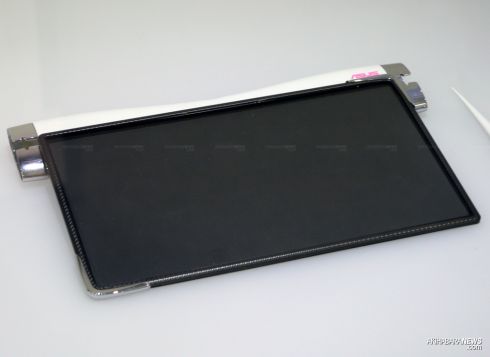
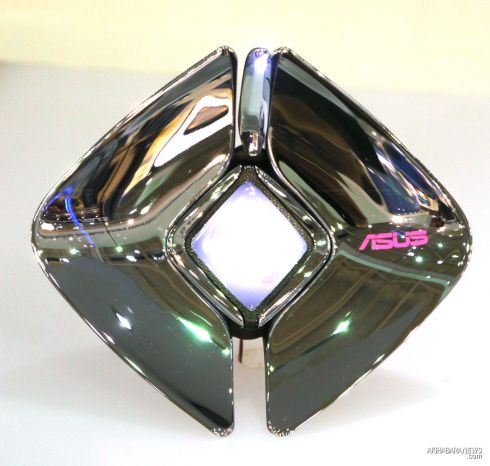
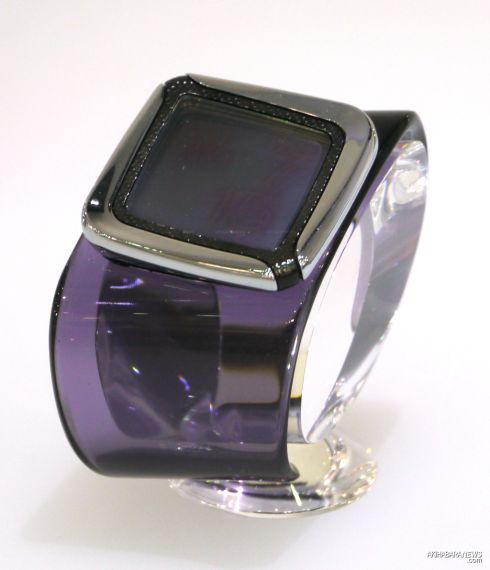
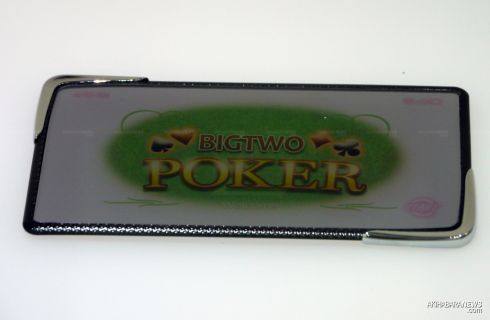
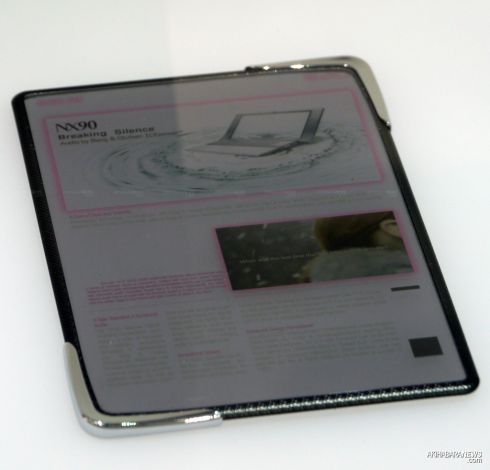
Make what you will of the following devices, but know that they fit in the ASUS IRIS concept mobile device series, showcased at Computex 2011 this week. Taking place in Taipei, the show includes especially tablets and focuses on the latest innovations in the mobile field.
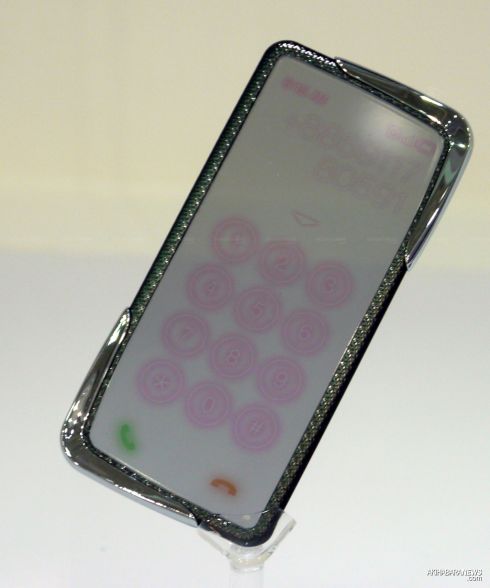
These ASUS concepts are elegant and simplistic in design. I have to notice the precious-looking bezel that some of the handsets and tablets sport and wonder what material that may be. These models seem incredibly thin and their screens look very much like E-ink material, unless there’s some other new technology in the mix.
Tablets that are very thin and sport precious metal edges and finishes in leather sound like a good idea. Maybe we’ll see Vertu producing one fashion tablet like this some day…
We’ve recently come across some pretty interesting tablet designs, among which there’s the Asus Net Fusion, created by Juan Manuel Bustos. This is a device that combines the features of a laptop with those of a tablet and netbook. Destined to reach the hands of students and graphic design professionals this product gets detailed below (click to enlarge).

The Asus tablet measures 13mm in thickness, it comes with 2 speakers, shortcuts shown on screen and a very interesting and original virtual QWERTY keyboard. There’s also a virtual mouse wheel shown on screen and the specs of the Asus Net Fusion include 2 USB ports, WiFi, LAN, 3G, a webcam and Windows operating system (hopefully Win 7).
The device also seems to support navigational features, as shown in one of the images below. Asus Net Fusion uses a stylus for interaction and drawing, so it’ll probably be loved by design professional. We consider this the perfect alternative to a Wacom tablet. What do you say?


21/12/2012 21:31 par slaytane
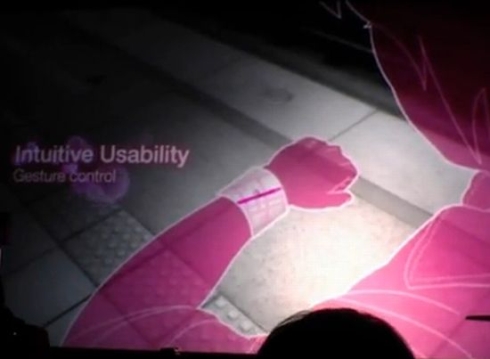
There haven’t been too many concept handsets to gaze at during CES 2010, but one of the impressive devices was the ASUS Waveface Ultra, a bracelet watchphone pictured below. Waveface is in fact a series of concept devices, created by ASUS and including the Waveface Casa TV, the Waveface Light, a touch tablet and the Waveface Ultra watchphone.

ASUS Waveface Ultra is a wearable cellphone concept that can be worn around the wrist, just like a bracelet. This device is a pretty trendy accessory and it uses a flexible OLED display, being also based on gesture control and touch interface.
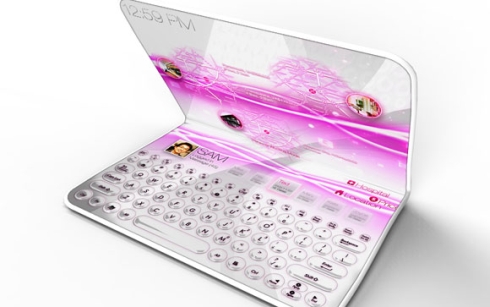
There’s also a cloud system supposed to work both with the watchphone and the tablet pictured below, that also features a flexible display. All of these devices, even the Casa TV, are able to access documents and all sorts of content via the platform setup by ASUS. A brilliant idea that we’ll hopefully see turned into reality, soon!



21/12/2012 21:28 par slaytane
A couple of days ago, the interwebs were filled with an image showing an Eee PC running the famous Google Android OS. Now, it turns out that Asus is not only planning an Android handset for 2009, but also an Eee phone.
Believe it or not, this device will also run Android and this is more than gibberish talk, as Johnny Shih, Asus’ CEO made these announcements.
Keep your eyes peeled for info surfacing during CES 2009, as Asus might have a prototype ready, since they’ve been slowing down on Eee PC launches lately. Can anyone imagine how an Eee Phone would look like? Mail your ideas at concept.phones@gmail.com

21/12/2012 21:25 par slaytane
Few concept phones have actually reached the stage of being widely known as the handset that’s “almost available”. Everyone’s heard about them, but the real devices are nowhere to be seen. Sadly, this is also the case of Asus Aura, designed by Egy Studio and one of the finest pieces of hardware I’ve ever seen.

The Aura is a slider with a QWERTY keyboard and a 3.9″ touchscreen that would even make the iPhone jealous. There’s also a 2 megapixel camera in there, a microSD memory card slot and the usual GSM/UMTS/HSDPA/Wi-Fi support and Bluetooth connectivity. All of this specs are hidden by a 97 x 49 x 6 (!!) mm body…
Well, what can we say? Asus, please ditch that Eee PC series and start making this beauty! We’ll buy it!


21/12/2012 21:24 par slaytane
The Asus KarE phone is a conceptual design that explores the future of devices created for “kids and elderly people”. As you see in the images next to the handset created by Markus Wierzoch, it makes a perfect messaging phone and a great console replacement for those who got tired of their Nintendo DS or PSP.

Asus KarE resembles a console more than a normal phone, while the keypad has something “Spider-man-esque” about it, don’t ask me, I’ve just created that word. Its front controls are clearly designed for gaming, while the sliding keypad (or keypads) make it perfect for a nice afternoon of texting with your loved one.
There’s also a camera at the back of this curved device, that looks like something Sega would come up with.

21/12/2012 21:20 par slaytane
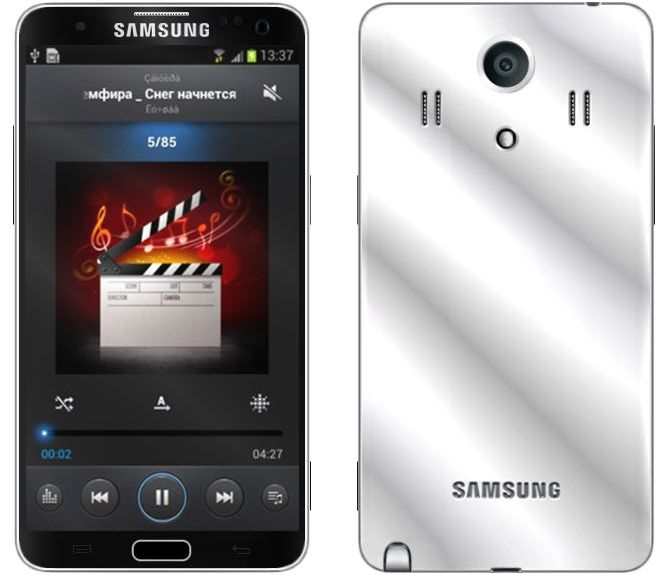
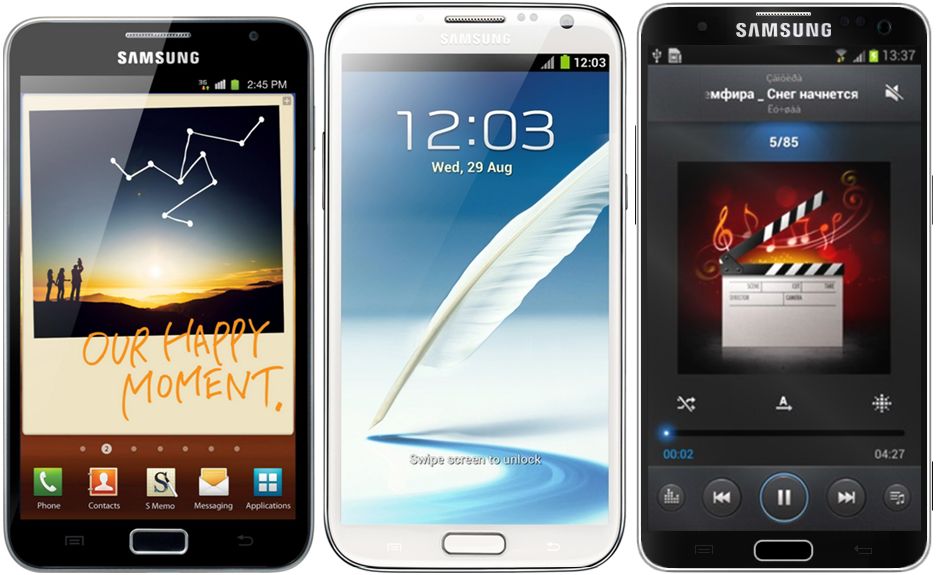
Erica Yusim sent us pictures of what seems to be a Samsung Galaxy Note 3 render, a pretty well thought device, that evolves from the idea of the two predecessors. First of all, it seems to have an edge to edge screen, then a more elegant Home button and then a bigger diagonal.
It also has a more squared format, leaving behind the rounded design of the Galaxy S III and Note II. Samsung Galaxy Note 3 features a 5.8 inch FHD Super AMOLED screen, a bigLITTLE processor, which means we have both a 2 GHz quad core processor (Cortex A15) and a quad core Cortex A7 1.4 GHz CPU. Basically, we’re dealing with an 8 core phablet, with 3GB of RAM, 32 to 128 GB of ROM and a microSDXC storage of up to 128 GB as well.
Android 5.0 Key Lime Pie is chosen here and a 4000 mAh battery powers up the device. At the back there’s a 13 megapixel camera, while upfront we use a 3 MP webcam. The whole thing measures 8.9 mm in thickness and obviously involves a brand new S Pen generation. From the comparison pics in this article, you can see that the Note 3 combines elements from the Note 1 and Note II, taking more from the first generation, if you ask me. I actually prefer a more rectangular design compared to the rounded one…


21/12/2012 21:16 par slaytane
We’ve seen many Samsung Galaxy S4 concepts on this site, but the idea of an S4 Mini is fresh and new. Ben Ling imagined both, with the result being the image below. We’re dealing with a 5 inch S4, nothing unpredictable, a model with a Full HD Super AMOLED Plus TFT display, with Gorilla Glass 2 protection.
The Galaxy S4 Mini is a 4.55 inch smartphone, also with a Super AMOLED TFT screen, but a HD one. TouchWiz UI is present on both and both support multitouch with up to 10 fingers. The bigger S4 uses a quad core 1.9 GHz CPU, while the smaller one goes down to 1.5 GHz. At the back we have a 13 megapixel camera with LED flash and an 8 megapixel shooter respectively, both with 16x digital zoom and 1080p video recording. Other specs include Android 4.2 Jelly Bean, 2 GB of RAM, NFC, 16/32/64 GB of storage.
The Samsung Galaxy S4 specs include a Li-Ion 2500 mAh battery, while the S4 Mini adopts a Li-Ion 2100 mAh one. Finally we get LTE and a waistline of 9.1 mm and 8.9 mm respectively. The device is a bit less rounded than the S3 and features totally capacitive buttons below the screen, so Samsung has supposedly given up the physical Home button. Doable or not?

21/12/2012 21:11 par slaytane
Deviantart user Alessio94x has created a very interesting Samsung Galaxy S4 concept, that you can check out below, in two versions. He created two different versions of the camera sensor area, with the second one below being the more elegant and also larger one.
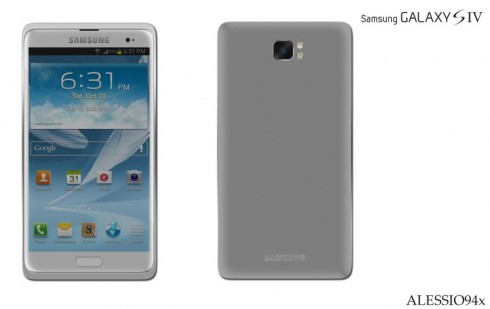
The handset looks pretty simplistic, minimalistic and feels like a comfortable thing to hold. I imagine that the back gives out a velvet-style feeling or it uses that nice finishing material that the BlackBerry PlayBook had for example. The camera at the back of the Galaxy S4 features a dual LED flash and if I were to guess, I’d say that Samsung would finally jump to 10 or 12 megapixels this time. There’s also a discrete front camera and a very neatly integrated Home button too. I supposed that near it we find the usual Back and Menu buttons.
Since we’re going deeper into the future, this model could run Android 4.3 or Android 5.0 or whatever Key Lime Pie ends up being. It should also have LTE on board, NFC and an evolved version of the Nature UX, a new Smart Stay and definitely a new S Voice, that was a bit disappointing. The battery couldn’t hurt an upgrade as well. As far as CPU goes, an ARM Cortex A15 of the Exynos kind would be fine. When it comes to diagonal, everyone is talking about 5 inches, but what about the sweet spot of the Galaxy Nexus, at 4.65 inches? Could this Samsung Galaxy S4 take on the iPhone 5S?