
TransPhone
04/10/2012 01:58 par slaytane


04/10/2012 01:58 par slaytane
After seeing the HTC Tube concept, we had the real thing showcased, but not by HTC. ASUS PadFone is the very first tablet-phone hybrid and now there’s another prototype out there, dubbed TransPhone. This model is made by the China Union Branch, a firm made out of designers, engineers and phone manufacturers.

We’re dealing with a flat display panel, that can host an Android smartphone at the back. The phone part packs a dual core 1.2GHz Qualcomm processor, as for the tablet, it comes with HDMI and USB ports. We suppose there’s also a customized interface in the mix and you have to know that the slate prolongs the battery life of the phone.
No idea when this model will come out, but it’s in prototype/concept phase right now.


04/10/2012 01:53 par slaytane
The Computer Systems Phone is a very interesting concept, that attempts to replace laptops by giving you all the features you need on a portable device in a package that reminds me of a PDA. The handset comes with an extra wide display and an embedded keypad, that can be pulled out from underneath the screen.

Computer Systems Phone works on Windows and shows us a curvy design, that many will love. This model was designed by Beau Reid, who also included a high megapixel camera at the back and many connectivity options. We have no idea on the exact specifications of this model, but it surely looks like something that HP, Palm or Research in Motion would make.
I guess that the model is running Windows 7 and it should pack a 5 inch display (just lucky guessing).


04/10/2012 01:51 par slaytane
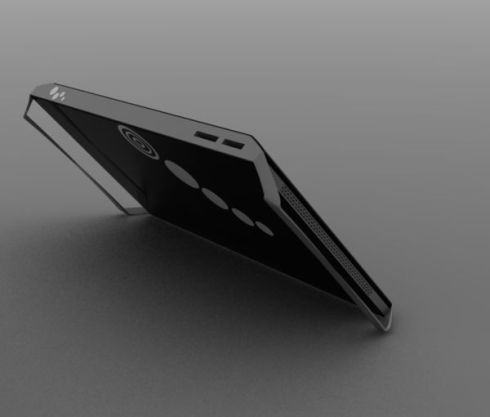
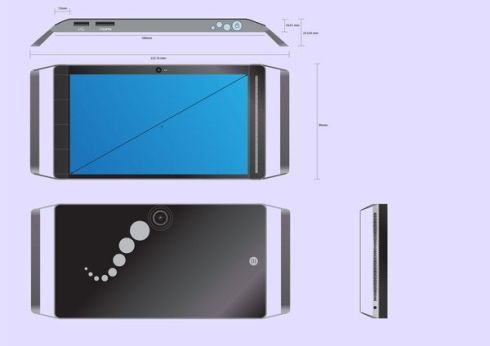
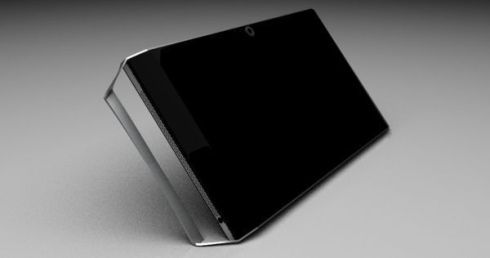
Knot is a multifunctional tablet for indoor use, allowing the user to browse the Internet, watch TV, listen to music and much more. The device is a mere concept right now, packing a 7 inch display, support for wireless hotpot and telephony functions, via a wireless attachment.
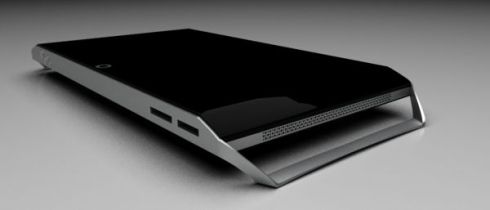
You can hook up Knot to a TV or projector, use it to access the Internet or rely on its USB and HDMI ports for connectivity. There’s also a front and back camera on board, plus 2W speaker and a 3.5mm audio jack. Capacitive buttons and a haptic feedback scroller take care of the navigation. Using this sexy sleek gadget to control your home seems like a pretty easy thing to do.
Let’s hope that the battery lasts enough, or we’ll just have to leave everything running and go look for a power source.
The raw idea behind this notebook concept is uniting two touchscreen slates with a hinge and calling them a laptop. The result is the Crowd notebook, designed by Philip Schaake, who is part of the German team Sensid Studio.
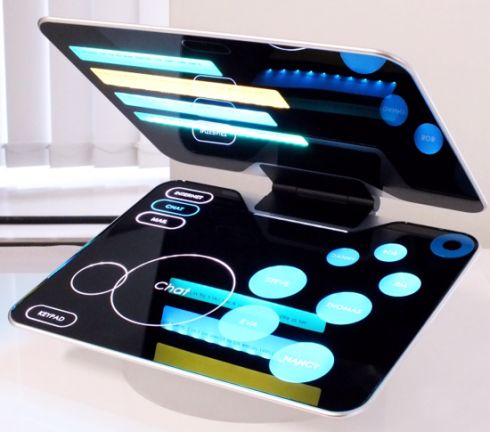
Brightly colored UI elements will allow you to interact with the device, reminding us a bit of Star Trek and Tron. The Crowd Notebook is able to separate into two modules, giving birth to two touch tablets in this way. This concept was a runner up in the Fujitsu Design Award 2011 competition.
I don’t know how this playful interface will appeal to serious users, but this would certainly make a great tool for DJs and people who have multimedia needs. Socializing and avatars are also the focus of this notebook, as are chatting, mail and web browsing.

04/10/2012 01:45 par slaytane
Considering tablets are the most fashionable gadgets right now, one can forget that a couple of years ago MIDs were pretty cool, too. With a blast from the near past comes designer Choi Koun and the On Display MID, a dual display palmtop built around a dedicated Google search app.
If you close the device, the upper half shows a transparent display with real life feedback from social networking services. The MID is 20mm thick and it uses OLED technology for its screens. Considering the fact that we’re dealing with a transparent screen here, we can easily say that augmented reality would be nice to use on it, especially with a camera mounted at the back of said display.


04/10/2012 01:42 par slaytane
If you’re an architect or designer, you’ll love the MPad tablet (in fact spelled m • pad), that’s pictured below and created by Volker Hübner. This concept tablet comes with a 15.6 inch OLED display and 9 fixed buttons, that include the classic ALT, CTRL and more.
You’ll also find two programmable button rockers with e-ink display incorporated in the slate. You can use up to 24 shortcuts for each application and assign any feature you want to them. The scroll wheel enables gesture control and fast 2D navigation, plus there’s a 3D space mouse available.
The MPad is inclined 15 degrees and great when it comes to ergonomics. There’s also a ball-bearing hub and the device measures an overall 430 x 280 x 25mm. Perfect for designers?


04/10/2012 01:38 par slaytane
At first glance this seems like a future Sony PlayStation console, an alternative to the Sony NGP. Created by Hirotaka Matsui, the PS Square is a conceptual smart mobile device that’s oriented towards members of the public who are 12 to 14 years old.

PS Square supports induction charging, Bluetooth, possibly 3G and it embeds a microSD card slot. A QWERTY keyboard and a large (probably OLED) screen are incorporated and the device can connect to the PC and TV with ease, via wireless.
The same concept portable device supports social networking, gaming (as shown by the directional pad) and even school work, if you have time for that. Action keys are present as well and an eReader should be on board, too. It’s hard for me to see teenagers doing homework on this device, since I personally would be tempted to socialize and play games on it, but it’s an incredibly cool gadget, to be honest.


04/10/2012 01:34 par slaytane
What do we have here? The replacement for a PC, a tablet and a smartphone… This strange device is a dual side sliding unit, created by Lin Jian Feng and reminding us of an older Nokia model from back when the Finns were top notch phone makers.
This two-way slide netbook uses a multimedia shortcut key and its screen angle can be adjusted with ease. Its sliding parts make up a QWERTY keyboard and they also manage to integrate a rocker instead of a mouse. Shortcut keys are also placed on the keyboard, with multimedia functions involved. The total width of the device (when open) is 500mm, while the width is 122m and the thickness is 15mm.
With the sliding parts closed we guess that this concept becomes an elongated smartphone with at most a 5 inch touch display. Beautiful? Yes! Practical? Not quite, at least not yet.


[via Yanko Design]

04/10/2012 01:31 par slaytane
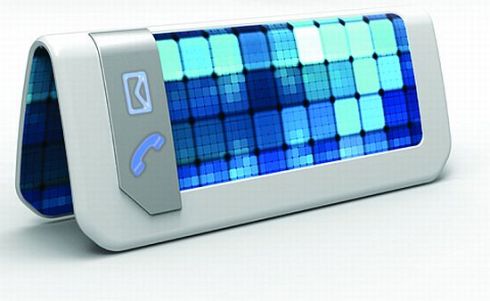
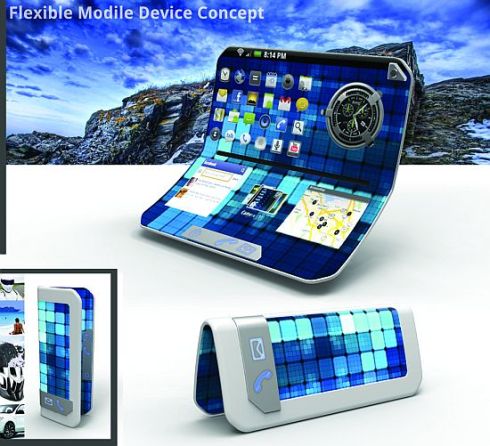
How about a flexible tablet to brighten the CES-filled day? Andrew Nammiga from Orange County created the Flexible Modile, a mobile device that flexes and becomes a tablet. This touch sensitive gadget incorporates a flexible display and can fold out in order to be turned into a slate.

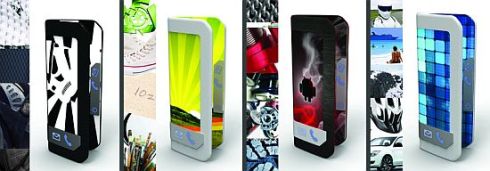
The external screen displays the background picked by the user and the unit is ruled by customizability, as its main aspect. There’s a videocall camera in there, plus the ability to turn the conceptual gadget into a photo frame or a media player. Also, considering that the display basically covers the entire device, you can change its looks in any way you want, as pointed out by the last pic below.
Android was chosen as the ideal OS for this concept!

04/10/2012 01:27 par slaytane
Samsung wants to revolutionize the tablet segment, by launching a slate with a sliding keyboard, one that might look like the mockup below. This is the Samsung Gloria, a device that will become real in the near future and it might run Windows 7.

Samsung Gloria is supposed to feature a 10 inch touchscreen, a full QWERTY sliding keyboard and we should expect it on the market in March or April 2011. By the looks of it, the tablet concept comes with a front camera, possibly one at the back and a pretty cool nav pad.