
Pix-L Shares the Bed With You
08/03/2011 04:26 par slaytane


08/03/2011 04:26 par slaytane
Hats off for another green gadget, this time only coloured in green, as there’s nothing eco-friendly about it, as far as we know. Meet the Pix-L UMPC concept, designed by Jean Hong, who tries to make the average PC more friendly and portable, by putting it to bed with the user.
In case you wanted a device that you can use while laying on the bed or on your belly, here it is! Not only it allows you to browse the Internet and get a bedtime taste of Microsoft’s software, but it also features an alarm clock and a detachable base. This allows the user to turn Pix-L upside down, for better use in the position he’s comfortable with.


08/03/2011 04:22 par slaytane
Edward Brown introduces the devices he designs as “phones for the immediate and not too distant future”. One of them is the Windows Mobile handset below, in fact an ultra slim Ultra Mobile PC/phone. It’s got a scratch resistant polymer and stainless steel casing and uses a touch based interface.
The list of features of this concept phone also includes a high resolution OLED screen and high resolution video and stills cameras. I wonder what chipset is running the show behind the case… And what about the internal memory? We’ll let the mystery be, at least till there’s a trace of branding on the UMPC/phone’s front side.

08/03/2011 04:10 par slaytane
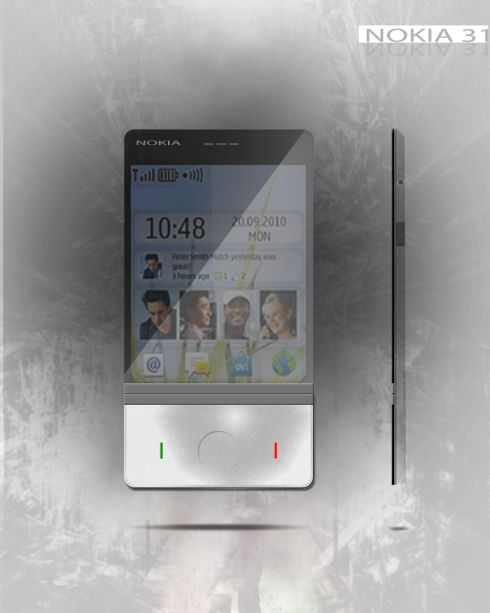
Clifford Charles created the Nokia 31 concept phone, the touchscreen smartphone you can see below. It comes with a 5 megapixel camera with flash, a 3.5 inch touch display and easy to use interface. The Nokia 31 is a device with a modern look, very straight and thin.
It’s got voice recognition and a beautiful aluminum chassis, that’s already classic for the Nokia N Series devices. What’s interesting is the facade of the device, placed under the screen and looking like a touch surface with commands displayed. Clifford Charles’ design is innovative and could be used on a future Windows Phone 7 Nokia unit, if Microsoft is open-minded enough.

02/03/2011 02:34 par slaytane
Have no idea what are the specs behind the iPhone nano mockup created by Nicholas, one of the commenters on the original 9to5mac.com article talking about such concepts. However, we’re loving the purple theme and how slim the device manages to be. It appears it was designed months ago, before the iPhone nano was even a dream.
This handset is slim enough to look fragile and its screen is once again edge to edge, like the one of the previous concept… Is this edge to edge thing ever going to be implemented?

02/03/2011 02:28 par slaytane
Created by Baek Kil Hyun from SADI, the 360 Compact Folding phone concept uses multiple touchscreen displays attached to the main body using hinges, in order to expand the functionality of the device. The unit can become either a standard handset, or a tablet, thanks to its enlarged screen estate.
The usual problem with such devices is how resilient are the hinges, especially after prolonged use. As shown in the image, the 360 Compact Folding phone supports multitasking in a specific format and a protection mode, covering the screen. The sub-screen below the main display also seems like a good idea.
What do you think?

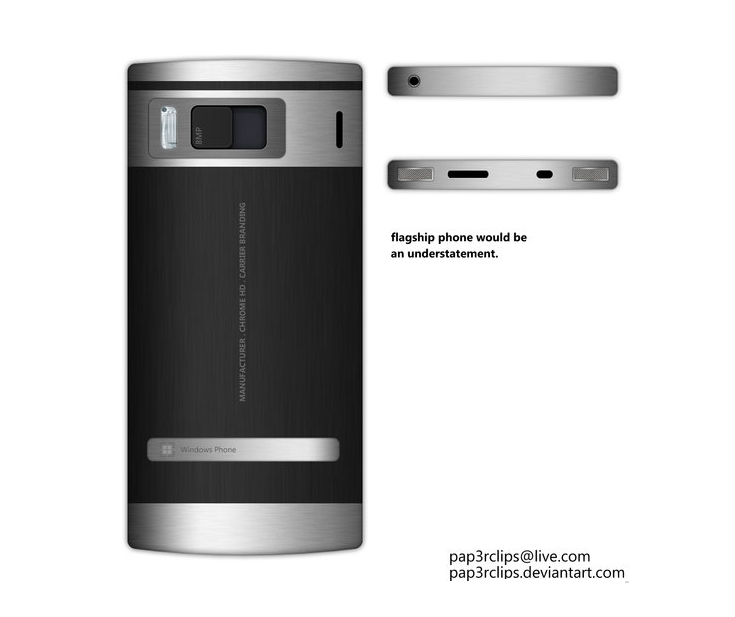
Here we are again with a Windows Phone concept, this time one created by Deviantart member Pap3rclips. This flagship Windows Phone device uses a 1GHz Tegra 250 CPU, 1GB RAM and 32/64GB of memory. The phone weighs 5.2 ounces and it’s 0.39 inch thick.

The display on board is a 4 inch screen, with a 1000:1 contrast ratio and relying on IPS Panel/LED backlit LCD technology. Its resolution is 720 x 1200 pixels and if I were to guess a maker for this unit, Nokia would probably be it. This handset has something that screams N Series about it.
It could be the camera at the back, with its 8 megapixel sensor, 1080p HD Capture (30fps) and Xenon flash. Which phone maker do you think could produce this smartphone? Is this yet another Nokia Windows Phone 7 device?

02/03/2011 02:23 par slaytane
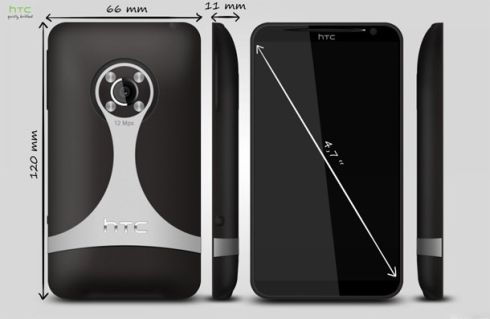
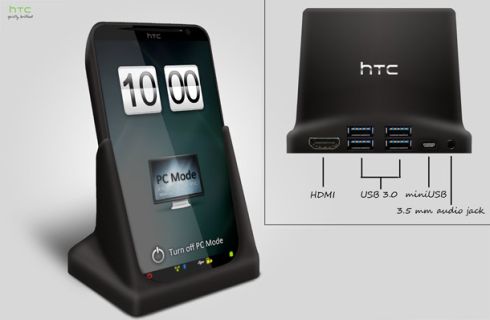
HTC HD3 is something we’re all dreaming about and it’s certainly not the HTC HD7. We’re thankful for concepts like the HTC Eerie HD3 below, created by Wallec (wwalczyszyn from Deviantart), since it’s looking incredible and its specifications are mind blowing. The device uses a 4.7 inch AMOLED display, that takes it closer to tablets than smartphones.
It measures 11mm in thickness and comes with a 2GHz Snapdragon processor, 64GB of ROM and 2GB RAM, plus a microSD card slot. HTC Sense can also be seen on the handset, together with Windows 7 Mobile Edition, but you can also go with Android 2.5 or Windows Phone 7. HTC Eerie HD3 supports 4G, EDGE, GPRS and WiFi connectivity and at the back there’s a 12 megapixel camera with autofocus and LED flash.
This new HTC concept phone supports 1080p HD video capture and it has a secondary 1MP camera at the front. If you had to choose between this and the HTC HD7, which would you pick? Imagine a price difference of $100 extra for the HD3…

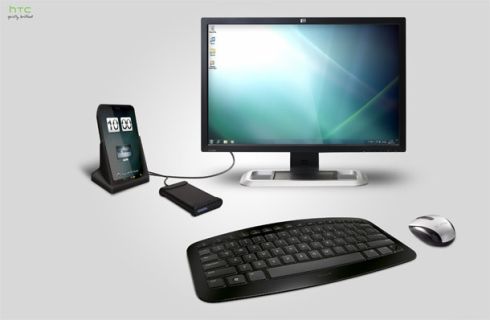
Designer Yigit Cinar is so serious about the tablet concept shown below, that we even mentioned the companies that should be involved in the making process: Wacom (touchpad), HP (hardware) and Google (Chromium). Cinar created this tablet design using Autodesk Maya, Adobe Photoshop and Macromedia Flash.

The slate comes with multiple USB ports, a HDMI port and a removable battery. There’s also an interesting part of this device: a removable hand mobile with a 2.3 inch color display that can be carried around by the user and turned into an MP3 player or tablet remote control.
Also included on the specifications list are the following:
- two cameras: 2MP forward cam, rear facing 5MP unit with autofocus
- an accelerometer and magnetometer
- 3GB RAM, 120GB storage
- 4G cellular voice, data, MMS, SMS
- GPS, FM radio, Bluetooth 4.0, WiFi 802.11 b/g/n
- sturdy case
- 16:9 1920 x 1080 capacitive touchscreen, 14 inches in diagonal

02/03/2011 02:16 par slaytane
The teaser for the latest Xperia device design has become a concept, created for us by J. Havrlant. As you can see, the new Xperia Ultima keeps the large touchscreen upfront and comes with a 12.1 megapixel camera with an Exmor R sensor and HD capture.
I suppose that a flavor of Android with some customization from SE is running on the device and probably there’s a 1GHz CPU inside, accompanied by 16GB of internal memory and enough RAM for the OS.


02/03/2011 02:14 par slaytane
Designer FreshFarfan from Deviantart created back in 2008 a Sony Ericsson phone that we love even now, the Sony Ericsson P2i model. It’s not dual core, it’s not packed with a 4 inch display or other tech wonders, but it still looks great! This is the mother of all Xperias, if you ask me.
I imagine that it uses a 3.7 inch touch display, but I can’t figure out if the QWERTY keyboard is physical or capacitive. Let’s say that the Sony Ericsson concept phone comes with 16GB of internal memory, Android and an 8MP camera and we’re happy (my speculations, not real specs).