
X70 Wallet Makes Phone Calls, Carries Cash and Credit Cards
20/02/2011 20:06 par slaytane


20/02/2011 20:06 par slaytane
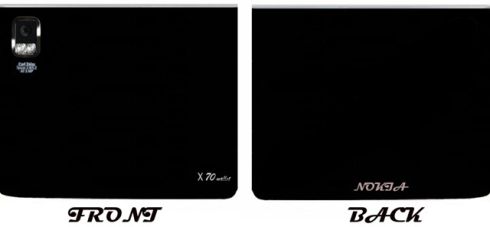
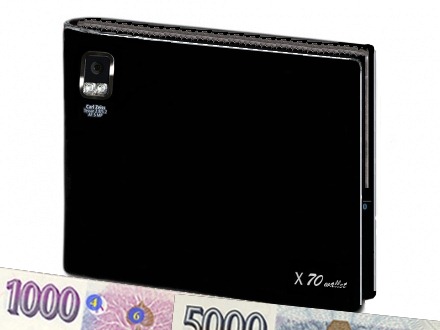
Here’s a more unusual concept this time, the Nokia Wallet X70, shown in the images below and created by the dotekomanie.blog.mobilmania.cz website. We’re dealing with a handset that has wallet functionality and can also make phone calls. It can carry your cash and credit card, write SMS messages, take pictures, it supports GPS functions and includes a music player.
Nokia X70 features two cameras, one for video chat upfront and the other a 5MP unit for photographing and video capture. The latter also incorporates a dual LED flash and the handset comes with nifty specs like a capacitive touchscreen, a full QWERTY keyboard, speakers, WiFi and Bluetooth. The internal memory is 8GB, plus an SD card slot for extra storage.
The OS of choice on this phone is the older S60 5th edition. Would you carry this gizmo inside your pocket?

20/02/2011 20:03 par slaytane
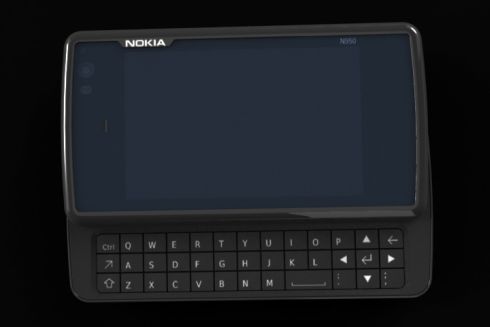
Nokia N950 is the creation of Vladimir Zorin, an interesting upgrade of the N900 design. The device is able to slide in two directions, revealing a 3 row QWERTY keyboard in one sliding direction and a numeric pad plus the D Pad segment of the QWERTY slider in the other.
The handset looks pretty bulky and we bet MeeGo would fit right on. The first type of sliding mechanism, shown in the image above is designed rather for nostalgics, than for practical use. Who would need numeric keys once we have a touchscreen and QWERTY keyboard available?

20/02/2011 19:59 par slaytane
Vladimir Zorin recently showed us one of his Nokia concept phones, that has yet to receive a name. This original device is far from the Nokia models we currently known and it adopts a bold and innovative design, using a square screen segment that’s bigger than the main body of the handset.
We suppose that this is in fact a square phone and that the keypad piece is able to rotate underneath the screen, but that’s only our speculation. If so, the display would be a touchscreen and the device would become ideal for tweens. What do you say

20/02/2011 19:47 par slaytane
How about a new Nokia design based on eco-friendly technologies? Patrick Hyland created the interesting Nokia E-Cu concept, that can be charged simply by using heat. The handset integrates a thermogenerator, that turns heat into electrical energy, so while in your pocket the device can get charged.
The E-Cu name is a combo between Environment (E) and Copper (Cu) and we learn that this phone is surrounded by a copper layer with engraved heatsinks. You’ll never need a phone charger for this piece of gear, so you’ll be saving Mother Nature again. We have to say that this is quite a slim device, with a solid design and a strong idea behind it.
Let’s hope it becomes real!


20/02/2011 19:45 par slaytane
While Nokia fails to deliver hot smartphones, at least they’re evolving on the prototype and concept side. What you see below is a stretchable electronic skin, a technology developed by Nokia Research Center Cambridge. This flexible piece of bioelectronics is the basis for the future foldable devices, like watches or phones.
Compliant and stretchable materials will make theoretically unbreakable devices and it’ll also provide new means of interaction. More info can be found in the following video and in case you’re not familiar with the Nokia Morph concept phone, go check it out and see how this technology can be put to good use:
You need to a flashplayer enabled browser to view this YouTube video
[

20/02/2011 19:42 par slaytane
Remember the Nokia initiative entitled “Design by Community” that involved the public’s selection of specs and design features for a future Nokia smartphone? Well, it came down to these three sketches last time we heard about it and the finalized result of the challenge is the Nokia U device, pictured below.
This Nokia concept phone is the result of over 18,000 votes that chose a sketch of the phone in order for the handset maker’s design team to turn into a render. This is the render we’ve been waiting for, complete with the specs listed below:
Display: 4 inch, capacitive. 16:9
Size/shape: monoblock, 60 x 110 x 6-10mm
OS: Open source OS with unlimited multitasking, based on touch input
Connectivity: WiFi 802.11 b/g/n, USB 3.0, HDMI
Camera: 8 megapixel, 4X optical zoom, dual LED and Xenon Flash, HD video capture
Materials: aluminium, soft touch finish
Others: multiple OS, surround sound speakers, Flash memory, kinetic energy power
More details concerning the project can be found on Nokia’s official site.


20/02/2011 19:36 par slaytane
The creator of the HTC Legend 2 concept claims that this device is a “big entertainer”, meaning that it’s a great multimedia playing device. Its specifications are pretty impressive, too: dual core 800 MHz CPU and an 8 megapixel camera. This is actually better than some phones shown at Mobile World Congress 2011 recently.
How much time do you suppose it will take to make dual core a feature for low end phones? Two years? Three?

20/02/2011 19:26 par slaytane
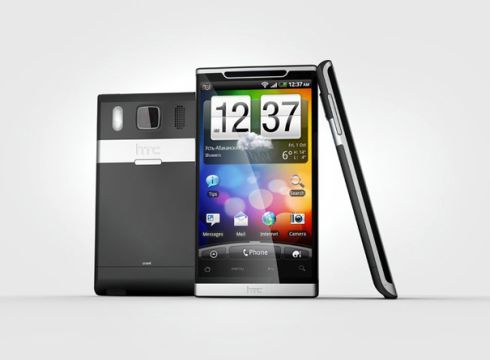
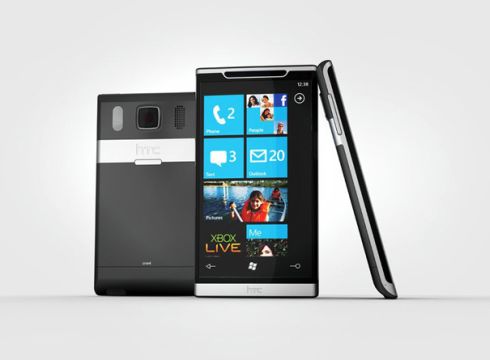
While the design of this HTC phone is a concept, it is actually possible to have a smartphone with a dual OS. For example, if you own a HTC HD2, you can already run WP7 on it (it was ported) and Android on an SD card. Back to the device below, this phone was created by Michal Bonikowski & Rafal Pilat.
Let’s just hope that the speakers on the handset are better than those of HTC HD7, that went seriously wrong. As far as the specs of the concept are concerned, we can only speculate, so here they are: 4 inch display, 8/16GB of internal memory, 512MB/1GB RAM and a 1GHz CPU.

20/02/2011 19:24 par slaytane
Long-Nong Huang is at it again, creating the HTC Forest, a 4.1 inch SLCD display phone that uses a 1.2GHz CPU. The device runs a flavor of Android and seems to use an aluminum unibody case, plus a couple of capacitive touch buttons under the screen. Other than that the design language reminds us a bit of the Thunderbolt model, only less wide and with an extra trackball.


20/02/2011 19:10 par slaytane
Imagine mixing the HTC Legend with the Desire and removing the first handset’s chin. The result could be something like the HTC Effect, a concept created by Long-Nong Huang. This handset supports LTE connectivity and uses a 1.2GHz CPU.
Also on its specs list we find 768MB of RAM, an 8MP camera and a 4 inch Super AMOLED Display. The usual accessories are also pictured, while the image below is a “live” shot of the smartphone. Would you buy such a product? If we had to guess, that would be an unibody aluminum case.
